The next chapter in energy efficiency: Celebrating Canada’s national approach to home labelling
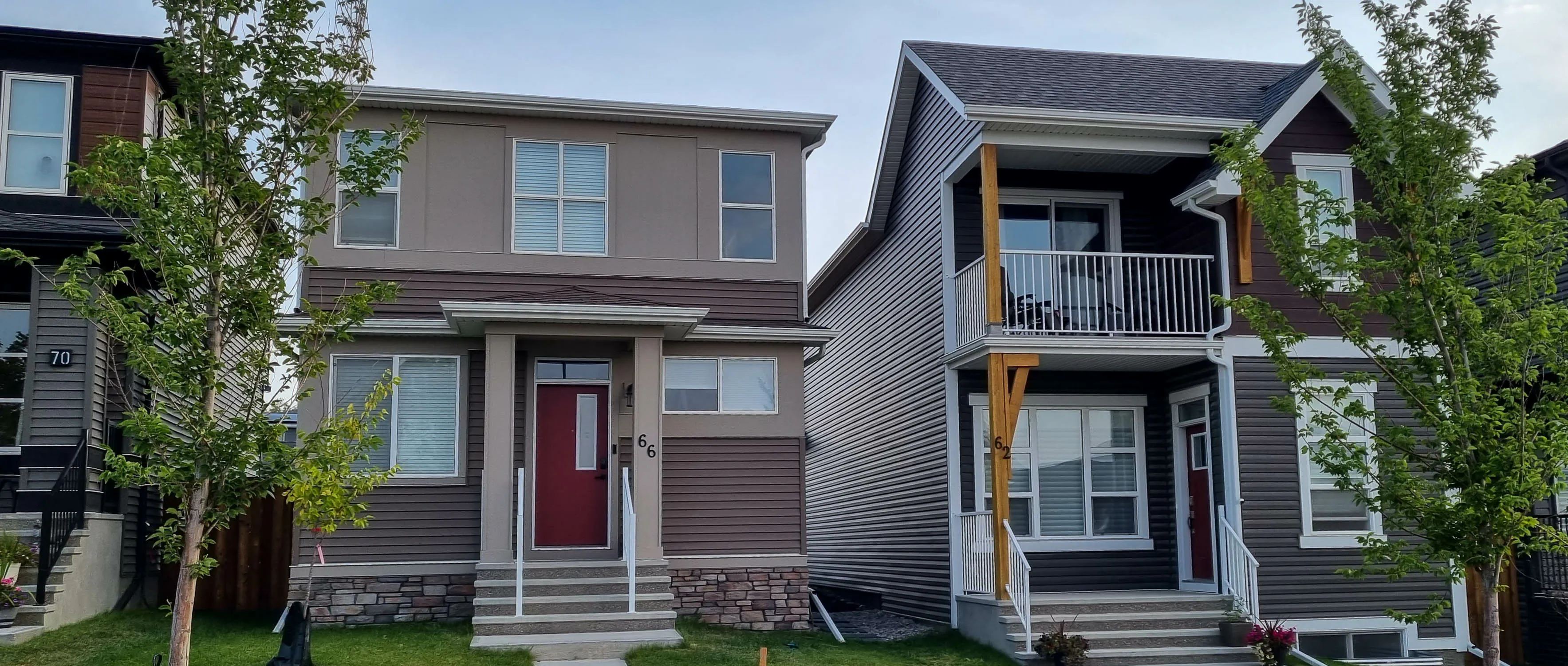
Home labelling makes energy use visible. Like a nutritional label, a home label increases awareness and informs homeowners, renters, builders and institutions about home energy performance and how to improve energy efficiency. Home labelling can also help lower energy bills, improve comfort, reduce emissions and enhance climate resilience.
In March 2024, we completed a pilot with Lightspark to explore the potential of digital home energy labels to become as integral to home evaluations as the value placed on cosmetic renovations or other standard home improvements. The findings from this pilot informed our Digital Home Energy Labels Policy Paper, which outlines recommendations for a reliable, equitable and market-ready labelling system. This paper was widely shared to inform future energy labelling projects and policies in Canada. In this blog post, we acknowledge and celebrate the federal government's significant steps toward addressing those recommendations.
NRCan's new labelling resources
Natural Resources Canada (NRCan) has officially launched the National Home Labelling website and published their new Guidelines for virtual home labelling. This marks an important milestone for residential energy efficiency in Canada. Residential buildings are a major source of greenhouse gas emissions across Canada. Approximately 30% of emissions in Calgary and 20% in Edmonton come from residential homes. Advancing energy efficiency at scale requires performance information that is visible, verifiable and valued in real estate transactions.
NRCan’s new resources bring greater structure and alignment to an emerging area we explored through our pilot.
Seeing our recommendations in action
One of the core recommendations in our policy paper was the creation of a standardized and transparent home labelling framework to support consistent comparisons across homes. Without market consistency, we noted there would be market confusion.
The newly published guidelines for virtual home labelling respond directly to that need. The guidelines define virtual energy assessment types and aim to support greater alignment across Canada by:
Encouraging more consistent outcomes across virtual energy assessment approaches and providers
Informing organizations seeking to procure virtual energy assessments
Discouraging ineffective tools and approaches from entering the home labelling market
By establishing national guardrails, NRCan is addressing many of the accuracy and credibility concerns identified during our pilot. Greater standardization can help give REALTORS, homeowners and industry professionals increased confidence in digital labels and support their integration into real estate decisions.
Celebrating our shared progress
Alberta Ecotrust is proud to have contributed to this conversation through the pilot project, engagement with more than 500 REALTORS and by sharing the findings through our policy work.
We participated in Natural Resources Canada’s Office of Energy Efficiency roundtable to provide input on the design of the National Approach to Home Labelling.
We welcome the launch of these new federal resources as an important step toward helping Canadians make more informed decisions about energy-efficient homes and retrofits.
Explore the resources:
Check out the new federal resources: National Home Labelling website and the Guidelines for Virtual Home Labelling.
Want a refresher on the data that helped shape this conversation? Read our previous blog, Transforming Energy Efficiency: The Case for Digital Home Energy Labels and dive into our full Digital Home Energy Labels Policy Paper.
The future of energy-efficient real estate is becoming more transparent, consistent and accessible.
Related posts
Explore our most recent posts.