Unravelling textile waste: What we learned at Explore Circularity Day
The Circular Economy is one of Alberta Ecotrust’s focus areas and a key strategy for achieving broader climate and sustainability targets. A circular economy preserves the value of energy, labour and materials. Products, components and materials can be kept circulating in the economy by adding value, promoting durability, reusing, remanufacturing and recycling them. This approach will require us to rethink how we make and use many of the materials that otherwise become “waste” within our current system.
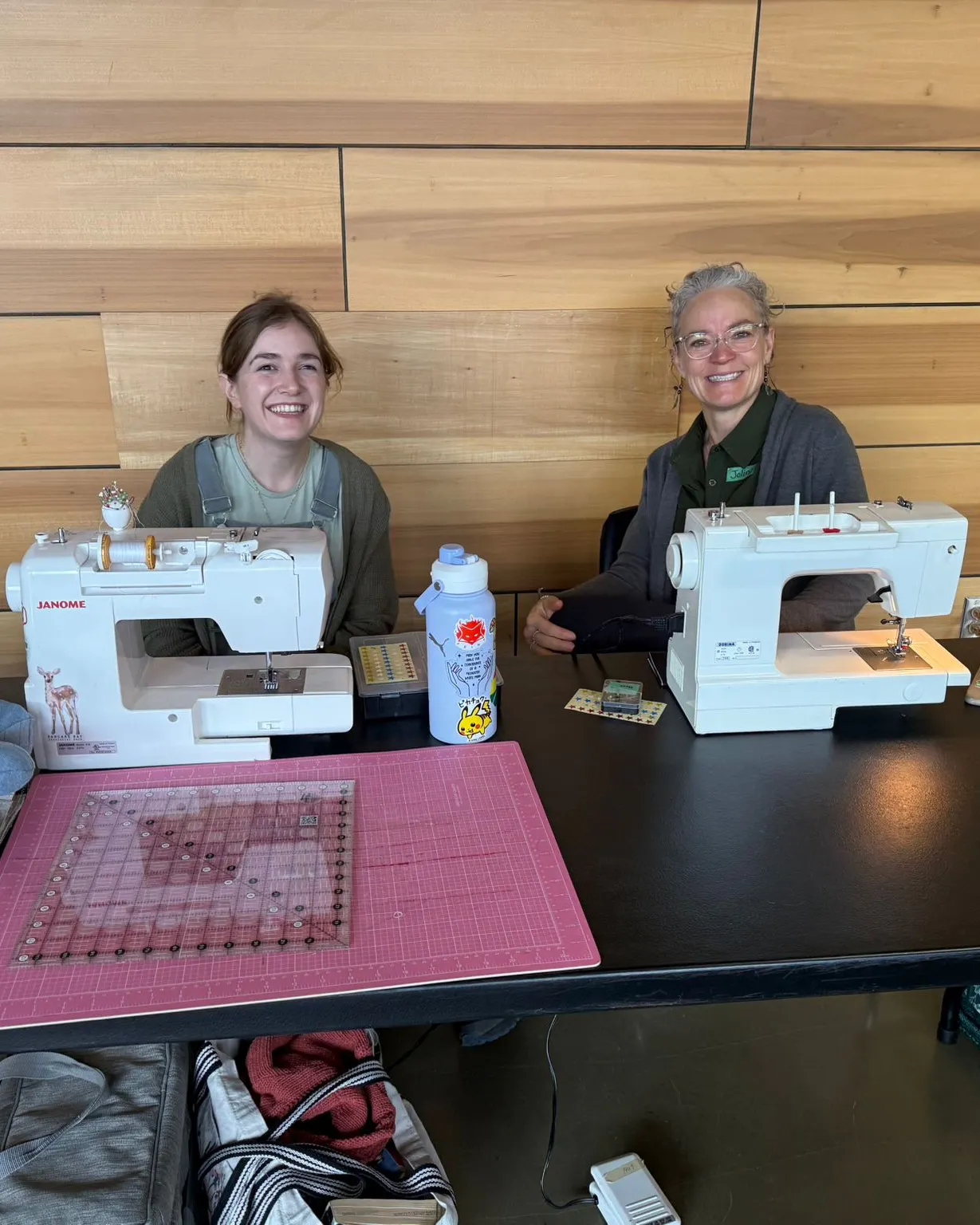
Last month, the Recycling Council of Alberta hosted its second annual Explore Circularity Day, taking a deep dive into one of the fastest-growing waste streams: textiles. It provided an opportunity to examine the current state of textile circularity locally and globally, and explore what more can be done to keep textiles moving through our economy at their highest value.
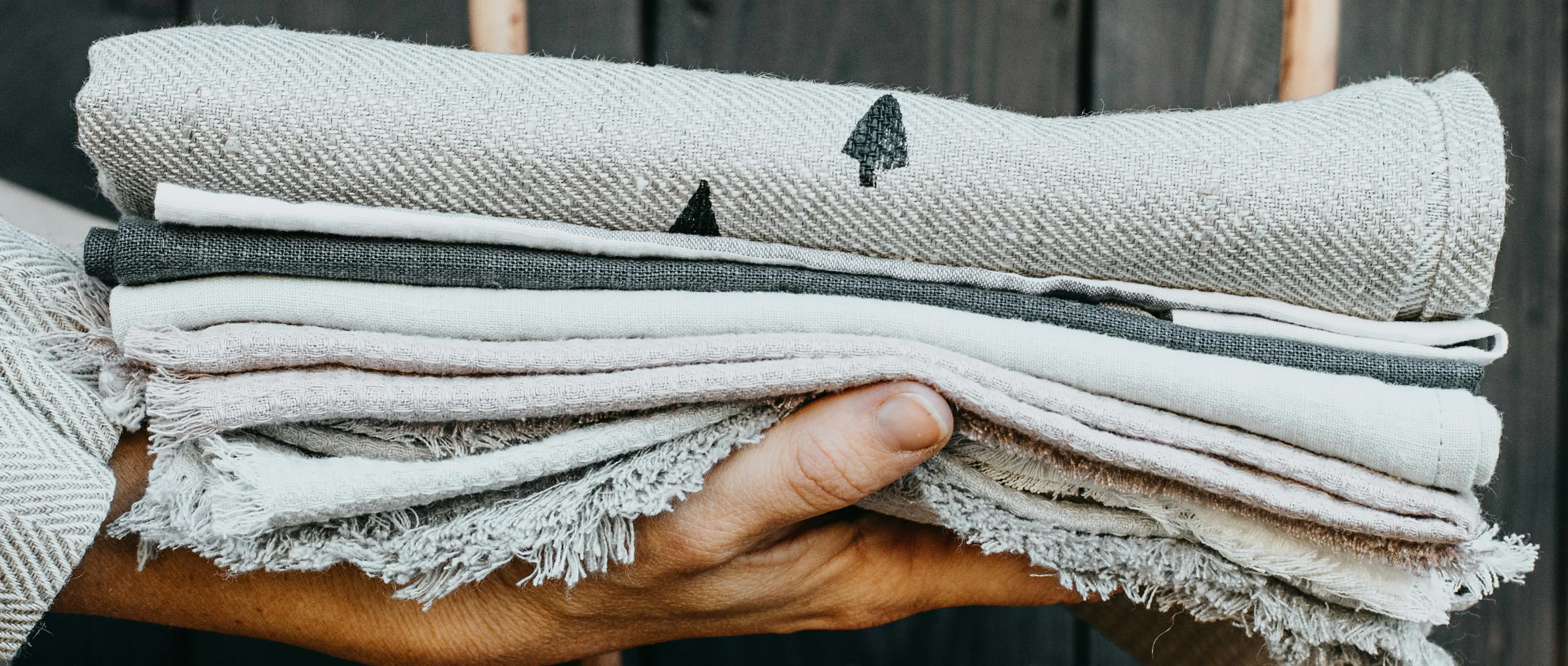
Textiles are more than just the clothes on our backs. Their use spans automotive, medical, industrial and household applications. These ubiquitous materials end up as a major waste stream, as it is estimated that Canadians throw away about a billion pounds (~500 million kilograms) of fabric-based fashion and home items a year. According to the Ellen MacArthur Foundation, between 2000 and 2015, clothing production doubled, while at the same time, clothing use declined, with studies showing that some garments are only worn about seven to eight times before being disposed of. Given all the resources that go into the textile industry, including oil to produce synthetic fibres, fertilizers to grow cotton and chemicals and water used to produce, dye and finish fabrics, there is an imperative to redirect textiles that are often otherwise lost to landfill or incineration.
While textile waste is a growing problem, there are countless opportunities to reduce it through new business models, employment prospects and technology development to improve efficiency. All in service of keeping clothes, textiles and fibres recirculating while reducing the societal impacts of a linear system.
Enabling circularity in textiles
Broadly rethinking our textile system could involve various actions across business practices, policy and infrastructure to:
Prioritize textile durability and reuse through improved standards
Include textiles in the Extended Producer Responsibility (EPR) policy to shift accountability to those who produce textiles
Restrict the export of textile waste
Introduce digital product passports to improve transparency in the product lifecycle
Improve collection and sorting infrastructure for reuse and recycling
Identify new end markets
Incentivize circular business models and innovation
A snapshot of circular leadership in Alberta
Alberta is well-positioned to foster a circular system for textiles by leveraging our existing strengths in manufacturing, innovation, materials research and expertise. Here we offer a small sample of the businesses and innovators in Alberta making local strides.
The Canadian Textile Industry Association (CTIA) has developed the Canadian Green Textile Label for members who commit to Canada’s Net-Zero Challenge and submit their annual greenhouse gas emissions to the Association. Edmonton-based textile manufacturer, Davey Textile Solutions Inc., is one of a few companies in Canada to be issued the label.
Gear re-Store and Tersus Solutions (soon to open a facility in Calgary) offer support to major brands through the resale and refurbishment of products, including laundering, repair and recommerce services.
ZyloTex is utilizing Canadian-grown hemp to produce lycocell, a cellulose-based fibre that can be produced in a closed-loop system, offering a low-impact, biodegradable fibre option.
Small businesses and non-profits also play a vital role in the textile circular economy. Local companies such as Earth Warrior Lifestyle and Blenderz Garment Recyclers provide services and products that keep textiles recirculating locally. In addition to reselling garments and home goods textiles at their many thrift stores, Goodwill Alberta’s RePurpose by GW program turns unwanted denim into tote bags and aprons.
Let’s keep exploring circularity
At Alberta Ecotrust, we aim to catalyze change by supporting and championing initiatives that promote and uplift a circular economy. We are looking to expand our work in this area and are identifying where we can do more to support the shift to circularity across Alberta, including in the built environment, within current waste streams and regenerating nature. If your organization or business is engaged in the circular economy, we welcome the opportunity for a discussion and encourage you to reach out to us.

Want to know more?
For more information, please contact:
Related posts
Explore our most recent posts.